Hohenstein is a founding certification body of OEKO-TEX®. We are the largest provider of OEKO-TEX® testing, certifications, labels and tools that enable consumers and companies to protect people and our planet.

OEKO-TEX® Supports Better Decisions

OEKO-TEX® labels are trusted around the world and based on rigorous certification standards that are annually updated and renewed.

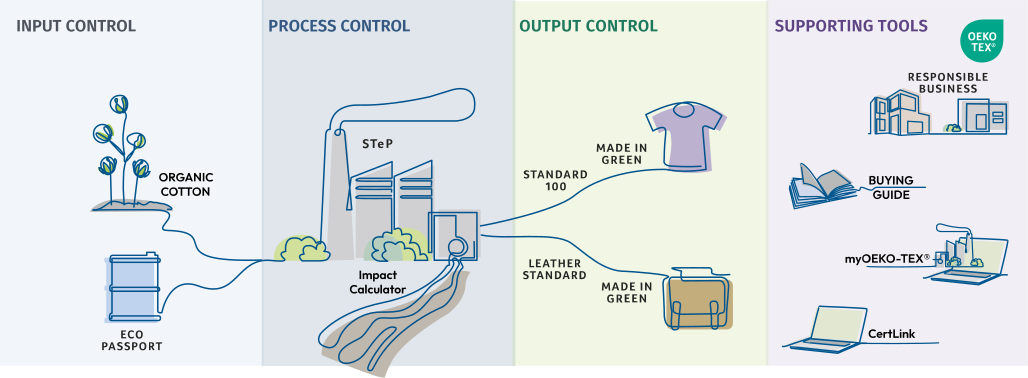
OEKO-TEX® provides tools for management and communication of safety and sustainability efforts. The modular system ensures these services work together for traceability, transparency and cost reduction along the textile and leather supply chains.

Did you know? When OEKO-TEX® was established in 1992, it created the textile industry's first restricted substance list. 

In 2022, OEKO-TEX® introduced a fresh, new look. See how the rebranded logos and labels can be used.

Consumers

Conscious Consumers

OEKO-TEX® product labels help consumers identify products that are:

  • Safer for people - have been tested for harmful substances (OEKO-TEX® STANDARD 100 and LEATHER STANDARD)
  • Safer for workers and the planet - manufactured in a sustainable and socially responsible way (OEKO-TEX® MADE IN GREEN)
Companies

Committed Companies

Certifications for verified chemicals (OEKO-TEX® ECO PASSPORT), materials (OEKO-TEX® STANDARD 100 and LEATHER STANDARD) and manufacturing facilities (OEKO-TEX® STeP) ease sourcing decisions, meet sustainability goals and protect reputations.

Globally, over 40,000 manufacturers, brands and retailers formally work with OEKO-TEX®, with many more using the system internally.

Trust in Every Thread.

Every product choice rests on details you can’t see. OEKO-TEX® certifications help you make decisions you can explain and defend.
  • Every Component Counts
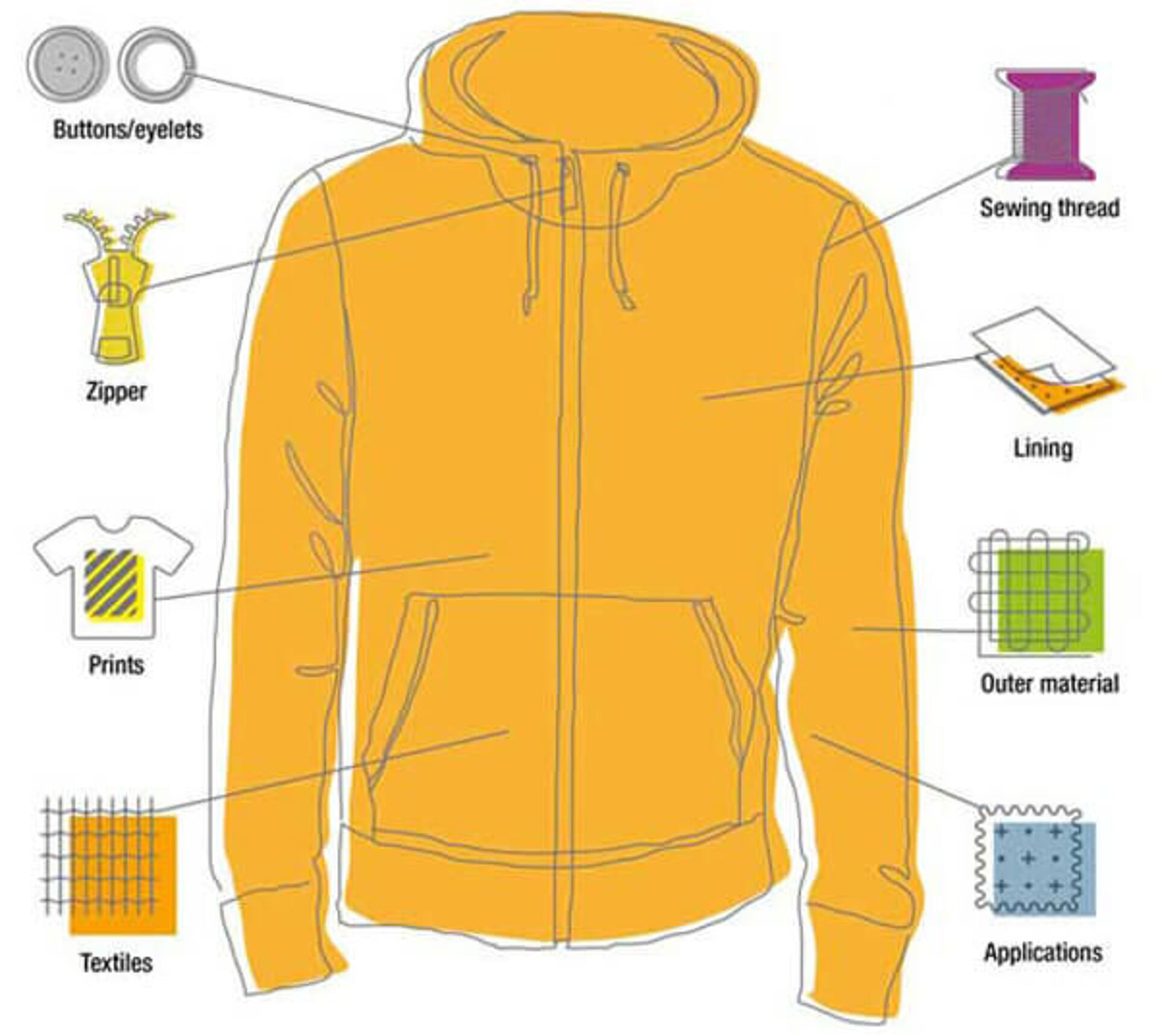
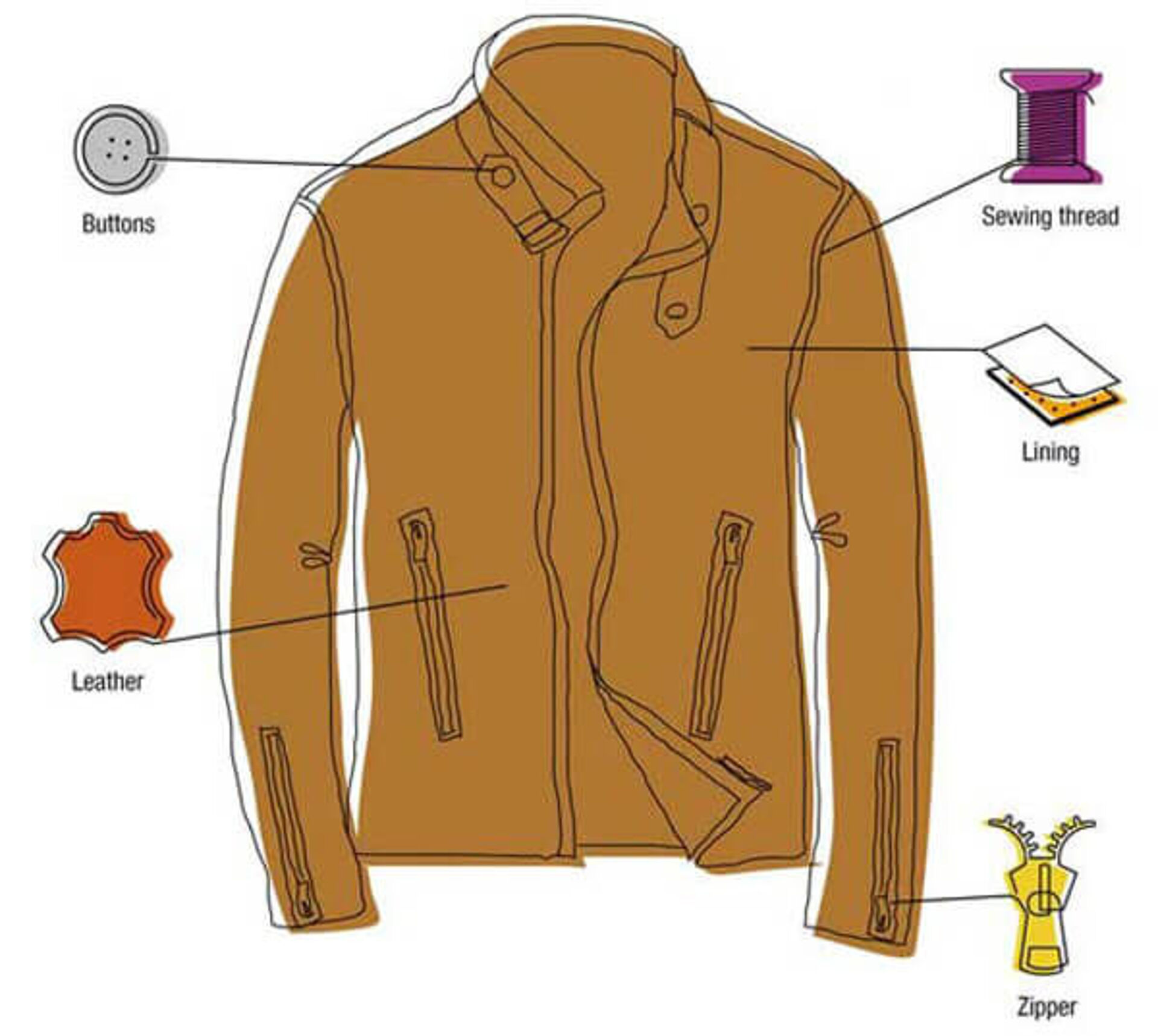
    For example, under OEKO-TEX® STANDARD 100, every part of a certified product must meet the requirements, down to the sewing thread, buttons and zippers. Limits get stricter as skin contact or sensitivity increases.
  • Independent Lab Tests Grounded in Science
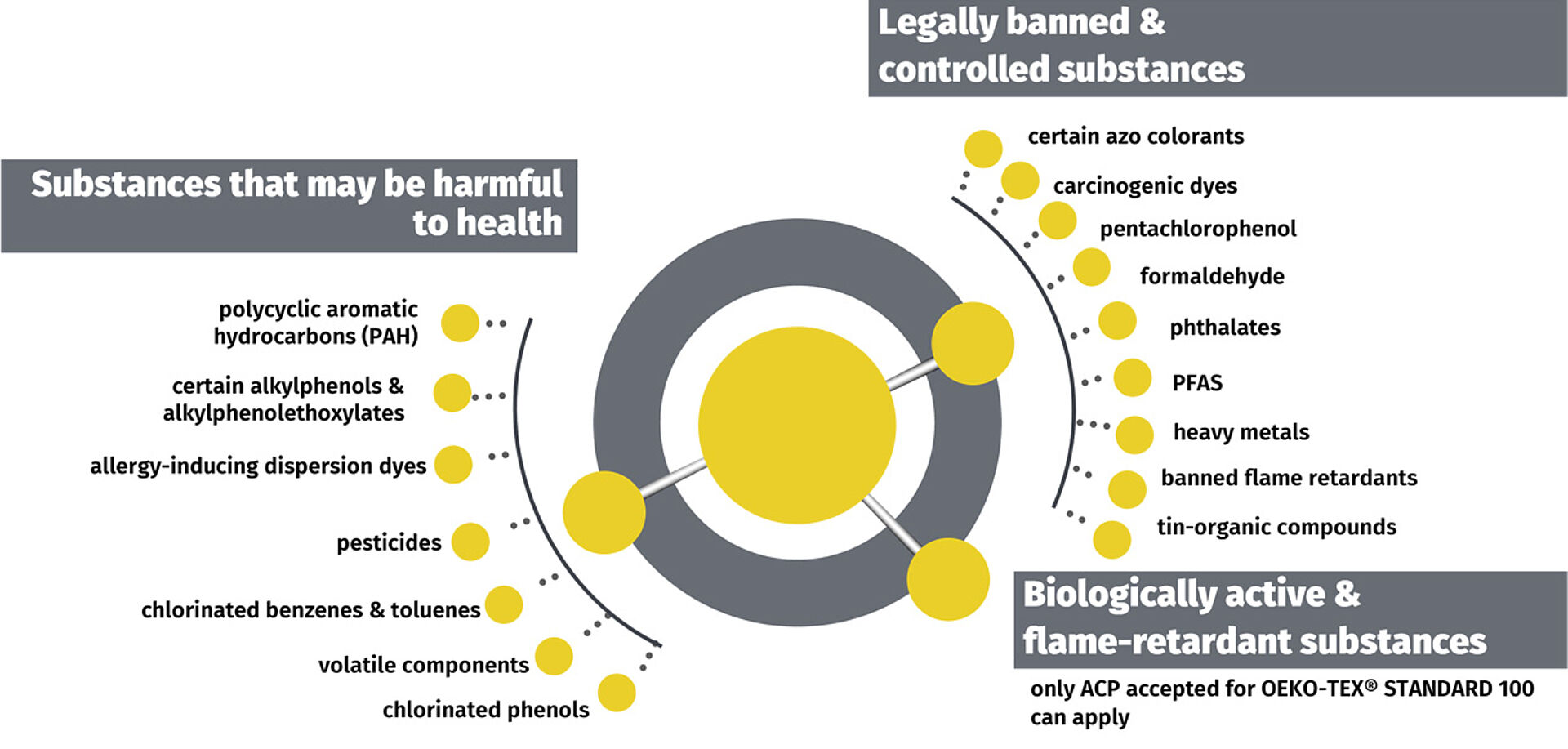
    Hohenstein labs test samples against OEKO-TEX® standards that limit more than 1,000 harmful substances. OEKO-TEX® regularly reviews these limits to incorporate new scientific knowledge and stay ahead of regulations.
  • OEKO-TEX® Auditors Verify On-site
    Site visits confirm that a company can meet the requirements consistently in everyday production.
  • Control Tests Continue After Certification
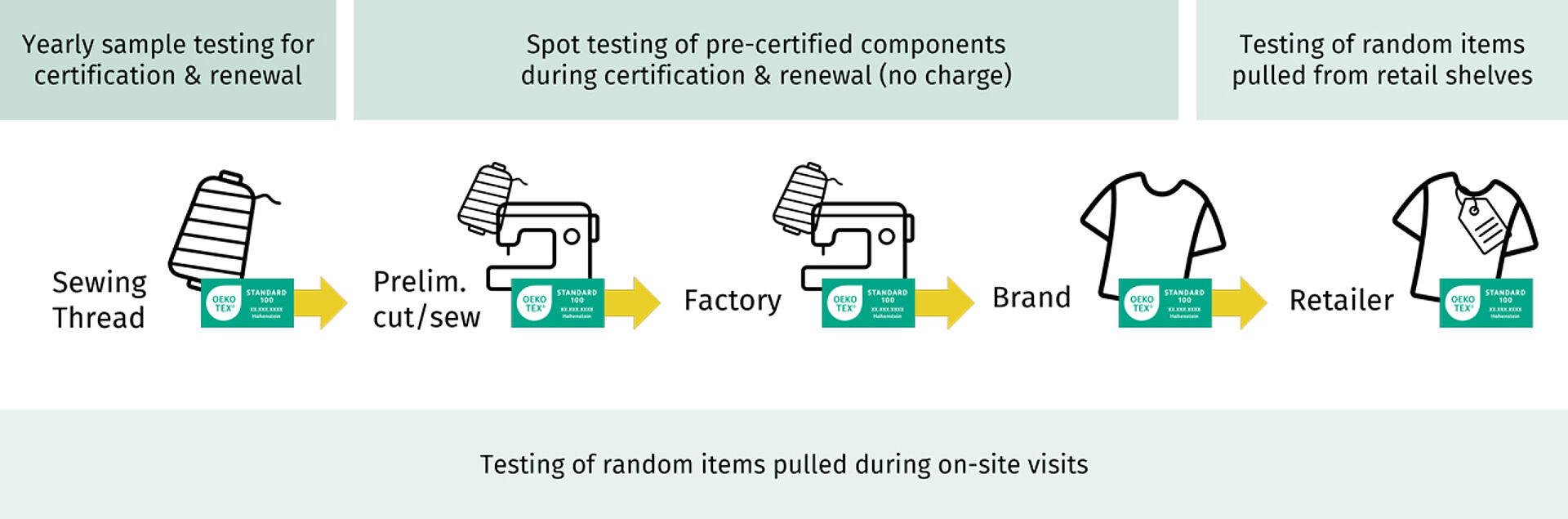
    Control testing checks whether certified products still meet the requirements.
  • Anyone Can Check an OEKO-TEX® Label
    Enter the certificate number or label number in OEKO-TEX® Label Check to confirm the certificate is valid. For OEKO-TEX® MADE IN GREEN, the product ID also shows where and how a product was made.

OEKO-TEX® Standards

Certifications | Product & Company Labels

The OEKO-TEX® System

OEKO-TEX® supports all stages of the textile/leather chain.

OEKO-TEX® System Details

Restricted Chemicals

Globally harmonized chemical management - updated annually

Over 1000 substances on OEKO-TEX® restricted substance lists (RSL/MRSL)
Audits

Why does OEKO-TEX® require Audits?

On-site audits are required during the certification process for all OEKO-TEX® standards.

A trustworthy certification depends on verification. Anyone can fill out a form. An audit means someone visits the site, checks that daily practice matches what's documented and watches for risks the paperwork won't show. 

Hohenstein auditors are trained to keep the audit professional and useful for everyone involved. We support applicants before, during and after the visit.

Control Tests

Reliability through control tests

Hohenstein control tests at least 25% of certified products.
Traceability & Cost Sharing
Partnerships
Downloads

Join >40,000 companies committed to sustainability

Textile Industry Challenges → OEKO-TEX® Tailored Solutions

  • Public, government and NGO focus on chemicals used in and released from manufacturing
    → Alignment with industry initiatives (e.g. ZDHC, AAFA), UN SDGs, NGOs, etc.
    → Effective protection of consumers, workers and brands
    →Traceable, 3rd party labels to avoid greenwashing
  • Extensive water use and discharge
    → Environmentally friendly production and efficient resource management
  • Soil & groundwater contamination
    → Product and environmental stewardship
  • 196+ countries with differing & constantly changing law
    → Compliance with global regulations (REACH, CPSIA, etc.)
  • Factory output, from waste to product, is a result of incoming chemicals
    → Responsible chemical management
  • Contract manufacturing complicates chemical management & transparency
    → Sustainable sourcing and traceable supply chain tools
    → Global compliance system in lieu of proprietary RSLs and extra testing

Guides & Resources

Contact

Ben Mead

Managing Director
Hohenstein Americas